
Conlang: Ori, continued (more verbs, tense/aspect particles)…

Last time we looked at some ways to conjugate verbs in Ori--specifically verbs ending in -i or in alveolar sounds (-t, -d, -n, -s, -l, -r). Some examples of these:

merir ‘he/she/it dances’ (animate, inanimate)

boltimbra ‘we keep’ (boltin- + -bra)

lalta ‘they laugh’ (celestial, abstract) (lar- + -lta)

As you can see from some of the above verbs, sometimes there is variation in stem or ending, as per phonotactic constraints.

Today I want to show the 2nd and 3rd conjugations, which will wrap up all of the regular verbal classes.

The first class, as we saw, includes verbs ending in -i and in alveolars. The second class includes verbs ending in -e, -a, and velar consonants (-c and -g).

cuhe- ‘cleave’

syeg- ‘steal’

ta- ‘speak’

plec- ‘fall’

Note differences in endings in bold

cuhe-ni ‘I cleave’

cuhe-ti ‘you cleave’

cuhe-ri ‘he/she/it cleaves’ (an, inan)

cuhe-li ‘he/she/it cleaves’ (cel, abs)

cuhe-ce ‘we cleave’

cuhe-cya ‘you all cleave’

cuhe-cyo ‘they cleave’ (an, inan)

cuhe-cyon ‘they cleave’ (cel, abs)

ta-ni ‘I speak’

ta-ti ‘you speak’

ta-ri ‘he/she/it speaks’ (an, inan)

ta-li ‘he/she/it peaks’ (cel, abs)

ta-ce ‘we speak’

ta-cya ‘you all speak

ta-cyo ‘they speak’ (an, inan)

ta-cyon ‘they speak’ (cel, abs)

syeg-i ‘I steal’

syeg-it ‘you steal’

syeg-ir ‘he/she/it steals’ (an, inan)

syeg-il ‘he/she/it steals’ (cel, abs)

syeg-‘we steal’

syeg-ya ‘you all steal’

syeg-yo ‘they steal’ (an, inan)

syeg-yon ‘they steal’ (cel, abs)

plec-i ‘I fall’

plec-it ‘you fall’

plec-ir ‘he/she/it falls’ (an, inan)

plec-il ‘he/she/it falls’ (cel, abs)

plec-‘we fall’

plec-ya ‘you all fall’

plec-yo ‘they fall’ (an, inan)

plec-yon ‘they fall’ (cel, abs)

~

The 3rd, and final regular verb conjugation includes verbs ending in -o, -u, and labial consonants (-b, -p, and -m).

pellum- ‘count’

cyep- ‘take, grab’

lyab- ‘lick’

brelo- ‘nuzzle against’

ryesu- ‘sip’

Once again, note changes in stem or ending marked in bold.

ryesu-m ‘I sip

ryesu-tu ‘you sip

ryesu-ru ‘he/she/it sips’ (an, inan)

ryesu-lu ‘he/she/it sips’ (cel, abs)

ryesu-bru ‘we sip’

ryesu-ru ‘you all sip

ryesu-bu ‘they sip’ (an, inan)

ryesu-ltu ‘they sip’ (cel, abs)

(Verbs ending in -o, such as brelo- ‘nuzzle against’ conjugate exactly the same way as those verbs in -u.)

pellum-u ‘I count’

pellun-tu ‘you count’

pellur-ru ‘he/she/it counts’ (an, inan)

pellul-lu ‘he/she/it counts’ (cel, abs)

pellum-bru ‘we count’

pellum-ru ‘you all count’

pellum-bu ‘they count’ (an, inan)

pellultu ‘they count’ (cel, abs)

cyep-u ‘I take’

cyep-pu ‘you take’

cyep-ru ‘he/she/it takes’ (an, inan)

cyep-lu ‘he/she/it takes’ (cel, abs)

cyep-pru ‘we take’

cyep-ru ‘you all take’

cyeb-bu ‘they take’ (an, inan)

cyel-tu ‘they take’ (cel, abs)

lyab-u ‘I lick’

lyab-du ‘you lick’

lyab-ru ‘he/she/it licks’ (an, inan)

lyab-lu ‘he/she/it licks’ (cel, abs)

lyab-bru ‘we lick’

lyab-ru ‘you all lick’

lyab-bu ‘they lick’ (an, inan)

lyal-tu ‘they lick’ (cel, abs)

~*~*~*~*~*~

Ok, so that is it for present conjugation of regular verbs. You may wonder about other tenses. Ori is pretty light on the morphological tense. It uses some different particles that follow the verb to indicate various tenses and aspects, though.

cyan — past perfect 

Ex.: Es lyab-u cyan 

3sg.inan.acc lick-1sg pst.prf

‘I licked it’

Tun-pori-tyan cyep-pru cyan

      def.art.an.pl sheep-acc.an.pl-1pl pst.prf

‘We took the sheep (pl)’

lyes — past imperfective/habitual

This particle also indicates past tense, but the aspect is different. Instead of perfect, like cyanlyes indicates an incompleted action in the past or a habitual action in the past (that happened many times).

Ex.:  Gotebinur-ipya ta-ri lyes 

Gotevian-acc.abs.sg speak-3sg.an pst.hab

‘She used to speak Gotevian’

bil modal

This modal particle indicates a speaker;s uncertainty that the statement is true.

Ex.:  En cyep-ru bil.

3pl.inan.acc take-3sg.an mod

‘He might be taking them’ / ‘Maybe he is taking them’

The modal bil particle can also be combined with the other particles:

Ex.: En cyep-ru cyan bil.

3pl.inan.acc take-3sg.an pst.prf mod

‘He might have taken them’

Ok, that is a lot of info for one post, so I will continue later! Question if anyone cares–do you want to see more linguistic info on Ori, or should I break it up with some cultural info? Shall I stick to Ori for a while or visit some other places/people/languages?

Mintaka
Conlang: Ori, continued

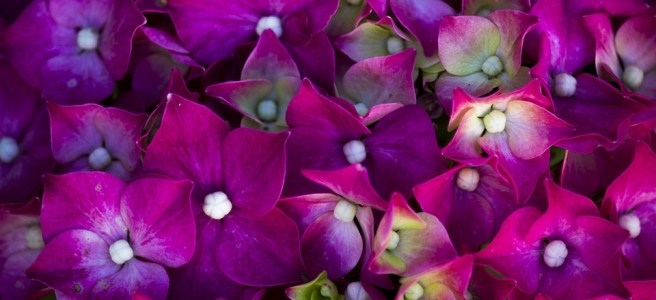
Image here is the kind of flower I always envisaged as the national symbol of Orikrindia.

Last time I showed you some Ori verbs and how they are conjugated. I mentioned that there are essentially three ways to conjugate verbs (1st, 2nd, 3rd conjugations), and showed you some verbs from the 1st class of those verbs. I kind of lied, as it is not quite as simple as that sounds. Despite all verbs ending in -i and in all alveolars being grouped as one class, there is a little variation inside the conjugation, depending what the individual sound in the verb stem ends in. I go into a little more detail for the 1st conjugation below. Note some of the differences marked in bold where there are some variations in the stems and endings.

Verbs in –i

meri-m ‘I dance’

meri-t ‘you dance’

meri-r ‘he/she/it dances’ (animate, inanimate)

meri-l ‘he/she/it dances’ (celestial, abstract)


meri-bra ‘we dance’

meri-dra ‘you all dance’

meri-nda ‘they (an, inan) dance’

meri-lta ‘they (cel, abs) dance’

Verbs in -n

Note difference in some endings/stems.

boltin-im ‘I keep’

boltin-it ‘you keep’

boltin-ir ‘he/she/it keeps’ (an, inan)

boltinil ‘he/she/it keeps’ (celestial, abstract)


boltim-bra ‘we keep’

boltin-dra ‘you all keep’

boltin-da ‘they keep’  (an, inan)

bolti-lta ‘they keep’ (cel, abs)


Verbs in -l

Note changed suffix:

potil-im ‘I think’

potil-it ‘you think’

potil-ir ‘he/she/it thinks’ (an, inan)

potil-il ‘he/she/it thinks’ (cel, abs)


potil-bra ‘we think’

potil-dra ‘you all think’

potil-nda ‘they think’ (an, inan)

potil-ta ‘they think’ (cel, abs)


Verbs in -s

Note devoicing on plural endings with verbs ending with unvoiced consonants

cetis-im ‘I cut’

cetis-it ‘you cut’

cetis-ir ‘he/she/it cuts’ (an, inan)

cetis-il ‘he/she/it cuts’ (cel, abs)


cetis-pra ‘we cut’

cetis-tra ‘you all cut’

cetis-ta ‘they cut’ (an, inan)

cetis-ta ‘they cut’ (cel, abs)


Verbs in -d

Note some stem changes.

trellid-im ‘I walk’

trellid-it ‘you walk’

trellid-ir ‘he/she/it walks’ (an, inan)

trellid-il ‘he/she/it walks’ (cel, abs)


trellim-bra ‘we walk’

trellid-ra ‘you all walk’

trelli-nda ‘they walk’ (an, inan)

trelli-lta ‘they walk’ (cel, abs)


Verbs in -t

Note differences in stems and endings.

grasit-im ‘I scrape’

grasit-it ‘you scrape’

grasit-ir ‘he/she/it scrapes’ (an, inan)

grasit-il ‘he/she/it scrapes’ (cel, abs)


grasi-pra ‘we scrape’

grasi-tra ‘you all scrape’

grasi-nda ‘they scrape’ (an, inan)

grasi-lta ‘they scrape’ (cel, abs)


Verbs in -r

Note difference in some stem forms.

lar-im ‘I laugh’

lar-it ‘you laugh’

lar-ir ‘he/she/it laughs’ (an, inan)

lar-il ‘he/she/it laughs’ (cel, abs)


lar-bra ‘we laugh’

lar-dra ‘you all laugh’

lar-nda ‘they laugh’ (an, inan)

la-lta ‘they laugh’ (cel, abs)

~

Alright, that’s it for the regular 1st conjugation verbs. Many of the variations in these verbs are mirrored elsewhere and are probably results of semi-regular morphophonotactic rules…but I’ll need to figure out exactly what those appear to be later on.

Another Ori topic I wanted to talk about are definite articles. Ori has them. It doesn’t have any other articles (like indefinite artcles, e.g. English ‘a/an’, French ‘un(e), des’). These definite articles are roughly equivalent to English ‘the’, but the usage varies in Ori and may not always align with English usage (i.e. you might see an Ori article where you wouldn’t in English (or whatever other language), and vice versa). In Ori, the definite articles are proclitics. They are written with a hypen before the noun, and like other things in Ori, they have to agree with the noun class of the noun. See some examples below.


tu-syalanyas ‘the queen’ (animate, singular)

tun-hilunyan ‘the merchats’ (animate, plural)

ti-yutar ‘the cloud’ (celestial, singular)

tin-celunyas ‘the priests’ (celestial, plural)

lye-buni ‘[of] the house’ (inanimate, singular)

lyen-kapyan ‘the desks’ (inanimate, plural)

co-sestas ‘the life’ (abstract, singular)

con-gerumin ‘the deaths’ (abstract, plural)

As you can see, the plural forms of these articles are made by adding -n to the end. You can get a little preview of some of the case system for nouns too in the above examples….soon we’ll see the rest!


Mintaka